
Where is Plinko listed?
The table below compares six brands whose public material describes a Plinko game. It gives you a title or product family to check against your own information. Worldwide listings and New Zealand access are separate questions. The Department of Internal Affairs explains the local licensing transition for players.
A title in a casino’s search results may belong to its in-house originals, a supplier like Gaming Corps, or a separate instant-win collection. A game card can move between those categories as a catalogue changes. Start with the game information panel if the lobby and search results use slightly different wording.
| Order | Brand | Advantages | Game features | Links |
|---|---|---|---|---|
| 01 |  |
Several Plinko editions to compare | Fast Games listing. Row and risk controls vary by edition. | |
| 02 |  |
Side-by-side multiplier tables by risk level | 1xGames version with 8–16 rows and three risk levels in the published regional rules. | |
| 03 |  |
Row count and risk can be adjusted separately | RolsGames board with 8–16 rows, three risk levels and an autoplay option. | |
| 04 |  |
Published method for verifying completed rounds | Stake Originals board with 8–16 rows and four risk levels. | |
| 05 |  |
Choose how many balls to drop in a round | Gaming Corps edition with 8–16 rows and adjustable volatility. | |
| 06 |  |
A dedicated verifier for past Plinko rounds | Rainbet Original with 8–16 rows and low, medium and high risk settings. |
How a Plinko gambling game settles a round
A casino Plinko game places a value on the landing slot. A multiplier of 0.5× returns half of the amount staked. A 1× result returns the stake, and a multiplier above 1× produces a gain on that round if it settles normally. For instance, a hypothetical NZ$2 stake at 3× returns NZ$6, of which NZ$4 is the gain.
Some casinos categorise Plinko under slots because it is a fast, single-player game with a paytable. The peg board usually has no reels or paylines. Read the rule panel for the specific version if a catalogue uses the label “Plinko slot”.
Plinko promo codes and game contribution
A promo code can activate an account offer without making Plinko eligible for that offer. The game might contribute only a fraction of your eligible stake towards wagering, or contribute zero. Maximum stakes, country exclusions and expiry also affect whether winnings can be withdrawn.
An example: at 10% contribution a NZ$5 eligible stake adds NZ$0.50 towards the wagering total. At 0% the same stake makes no progress. These percentages illustrate how contribution works. The actual figures come from the promotion’s terms and the named game.
Make a note of the exact operator and title before reading a code’s conditions. A listing for a different version of Plinko or for another country cannot answer whether your game is eligible.
Compare paytables on equal settings
Choose the same row count and risk level wherever two games allow it. Write down one centre multiplier, one intermediate result and the outer multiplier. Extreme values only make sense alongside the probability of reaching them or the game’s stated long-run return.
The free practice board shows the shape of that comparison. The real-money guide explains what changes when an account and payouts are involved.
Compare the game card with the board
Start with the name displayed inside the game window. A catalogue card may shorten a title so it fits on a phone. The rules panel can carry a fuller name, the developer and sometimes a version number. Those fields let you distinguish a supplier edition from a casino’s own original when both appear under the same search term. Take a moment to match them before carrying over a multiplier from a review.
An operator’s game category gives you a second clue. An entry in an originals collection tells you where the product is presented. A supplier catalogue tells you who publishes that version. Imagine two tiles share the word Plinko and a purple board. One identifies an independent studio and the other carries an originals label. Record each name as shown in the rules before comparing settings. Matching thumbnails would add little to that comparison.

Keep the date next to the details if you make a comparison for later. Public product pages may gain a new title, change the artwork or move the play button. The rules and supplier name provide a more stable reference than the path through the menu. When a product offers different modes, note which tab was selected when you read the rules.
A catalogue description can help you narrow a search to the right product family. The board itself is where you find the available controls. Keep both pieces of evidence together if a game card and the rules use different wording.
What the payout labels can tell you
A useful paytable comparison includes the size of a common outcome as well as the largest one. A board can advertise a high outer multiplier while paying less than the stake through many central outcomes. For any setup, check how many slots pay below 1×, which pay 1× and which exceed it. That describes possible returns. The chance of reaching each slot is a separate part of the calculation.
| Outcome | Chance | Example A | Example B |
|---|---|---|---|
| Common return | 80% | 0.5× | 0.25× |
| Less common return | 20% | 3× | 4× |
| Weighted average | Across all outcomes | 1× | 1× |
The two imaginary boards in the table differ in how they distribute their returns. The second board pays more on its less frequent outcome, while the first returns more in the common case.
That example uses chosen figures and leaves out the multiple individual slots on a real board. It shows why the largest number in a banner tells you little by itself. If a provider publishes only the possible multipliers, look for a model, probability information or an RTP tied to the chosen setting before drawing conclusions from the figures.
Check which return the balance history reports. A game can display the gross amount credited while an account view highlights the change after the stake. Comparing those two numbers without checking their labels can make identical outcomes look different.
Check how controls change the comparison
One game may let you alter row count without changing risk. Another may offer named presets that update several settings together. Open the payout panel after changing a control and see which numbers change. Write down both the visible preset and the number of rows. A provider’s description of medium risk applies to its own version, and a different game can use the same label for a different distribution.
Some visual features affect the presentation of a round. Examples include shorter animations, background sound and a reduced motion option. Read the rules to see whether a feature affects the wager or simply changes what you see and hear. A faster animation can make a session feel more continuous. Use the history view to identify each settled round when the board itself clears quickly.
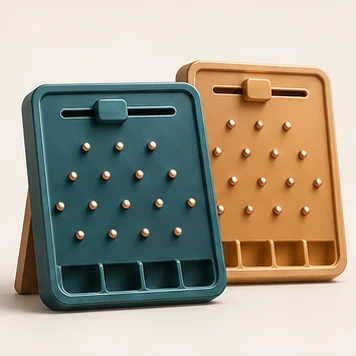
Check whether there are separate instructions for features that add a ball, change the board or use an alternate stake. The cost of activating a feature matters in a price comparison. A screenshot might show a special mode while leaving the ordinary stake panel outside the crop. Where rules identify a default state, use that as your starting reference.
Compare one pair of settings at a time if you want to see the effect of a single switch. Changing the number of rows and risk together may produce a very different paytable, but it leaves you with two possible explanations.
Read an offer in the order charges can arise
An offer headline usually gives you the amount or a matching percentage. Start the detailed comparison with who qualifies, the currencies covered and whether a code must be entered at a specific step. Then look for the list of permitted titles. If the terms refer to a group of games, the exact supplier or full title can help establish whether that group includes the one you are evaluating.
Next, check what the offer treats as an eligible stake. Two examples can have equal contribution rates and different stake rules. A hypothetical offer could count a NZ$2 round in full up to a maximum of NZ$2 per round. A different offer might exclude rounds above its limit entirely. The terms determine the consequence if the total stake includes multiple balls or an optional feature.
Finally, look at expiry and any limit on what can be withdrawn. A short expiry changes the useful window for reading or declining an offer before anything is activated. A cap can limit what happens to a nominally larger balance after any conditions are met. Keep the unrestricted cash amount and promotional amount separate when you compare the account terms.
Make a note of the version date if the offer page has one. Reused promo code names and refreshed banners can send readers to terms from another period. The live terms connected to the specific offer are the relevant record.
Keep public game evidence separate from account details
A public game listing answers a catalogue question. The publisher’s rules answer how the named edition works. The account terms explain practical details about a deposit, withdrawal or dispute. These documents serve different purposes, and several may be necessary to understand the same product. A clear rules panel still leaves room for separate payment limits and verification requirements at the operator level.
Evidence from a review
Imagine that one review links directly to a supplier’s rules, while the other links to a screenshot of an operator’s lobby. The first is useful for checking settings and terminology. The second gives a clue about catalogue placement at the time it was taken. Combine them only when the developer, game title and version agree. If the evidence leaves the match uncertain, keep the two records separate.
What a simulator can show
A free board can make controls easier to understand before you read a paytable. Check what the simulator actually models and what settings are provided. An independent practice page can demonstrate the link between a landing slot and a displayed multiplier, while the operator’s rules show how its named product handles settlement.
For a useful comparison, keep a short record with the provider, title, chosen settings and date. Add the source for each claim beside it. That makes it easier to revisit a game when an updated review describes a different board or a changed feature.
Common questions
Is online Plinko gambling the same as a reel slot?
The casino may list both in its slots lobby. Classic Plinko uses a drop board and landing bins, while a standard slot uses reels and a symbol paytable.
What should I check for a Plinko promo code?
Review the country rules, exact game eligibility, contribution, maximum stake, expiry and the withdrawal cap before assigning a value to a code.
Does an overseas listing establish New Zealand availability?
A global or overseas listing confirms what the operator has documented for that market. Consult current DIA information for the New Zealand regulatory position.
Sources

New Zealand SEO and copywriting consultant.