How 1xBet lists the game
The operator’s public catalogue includes 1xGames, and its English material for some markets names Plinko in that section. Use the product family and the title together. A casino slot search can also surface a game that uses the same mechanic and has a third-party developer.
The catalogue text for one region should travel with any details taken from it. It is evidence about the page that publishes it, and an NZ catalogue may differ. Check the current information from the Department of Internal Affairs when you need the local position.
The 1xBet Plinko board and results
The public 1xGames description explains a ball descending through a peg pyramid and settling in a value cell. Find the row count, any risk setting and the active paytable in the version you are comparing. One title’s probabilities or maximum payout should stay attached to that version.
For a simple calculation, a 0.5× bin halves the stake and a 2× bin doubles its gross return. That common convention does not tell you how frequently the two values occur. The free demo can make the relationship between paths and landing bins easier to see.
Check whether demo mode uses a virtual balance
A lobby can show a product page before it offers an actual game session. In demo mode, inspect the balance label and the available controls. In a cash mode, check the game currency and stake unit. The screen layout can be similar in both views.
Make sure a second Plinko search result still names 1xGames before transferring any rules between entries. Supplier information can be in a secondary line or game help. The casino guide shows where provider identity fits in a comparison.
What the 1xBet sources establish
- Product family. The public material identifies Plinko as a 1xGames entry in named markets.
- Mechanic. The published description refers to a peg pyramid with multiplier cells.
- Regional detail. Currency, limits and local availability need evidence for the specific market and account.
Melbet’s dedicated game listing provides a useful point of comparison. See the Melbet review for its catalogue route and the Rolsbet review for more detail on row settings.
Finding the 1xGames catalogue on 1xBet
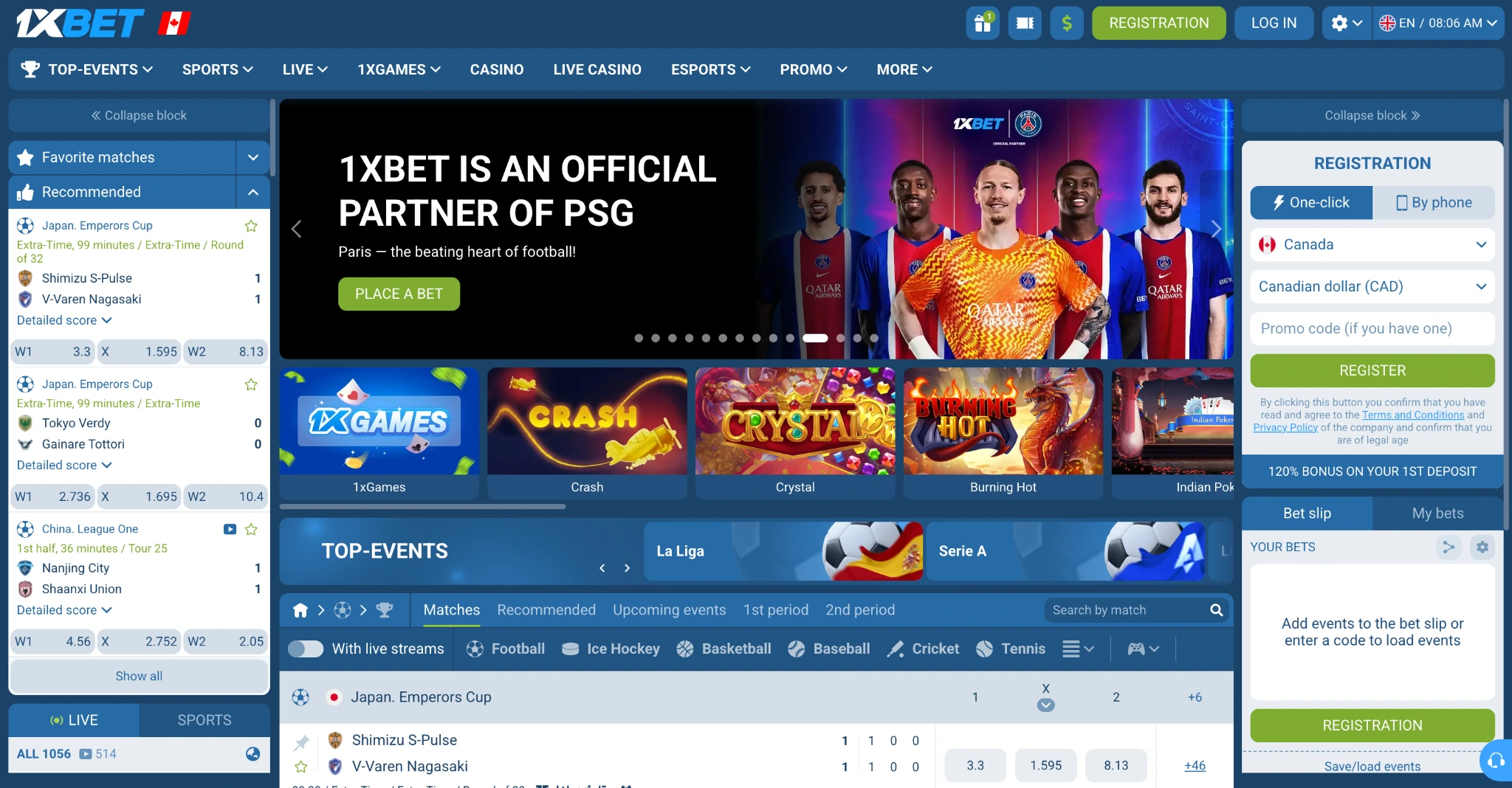
In the archived homepage capture, tiles for 1xGames sit below a large sports-led banner, while other navigation and a registration panel share the same screen. The separate games image has a more focused game catalogue, with its own rows of titles. They show why the path from a brand homepage to a published game matters. A first visit may land on a general front page where several parts of the business are visible at once, even if a different page carries the details for the actual title.
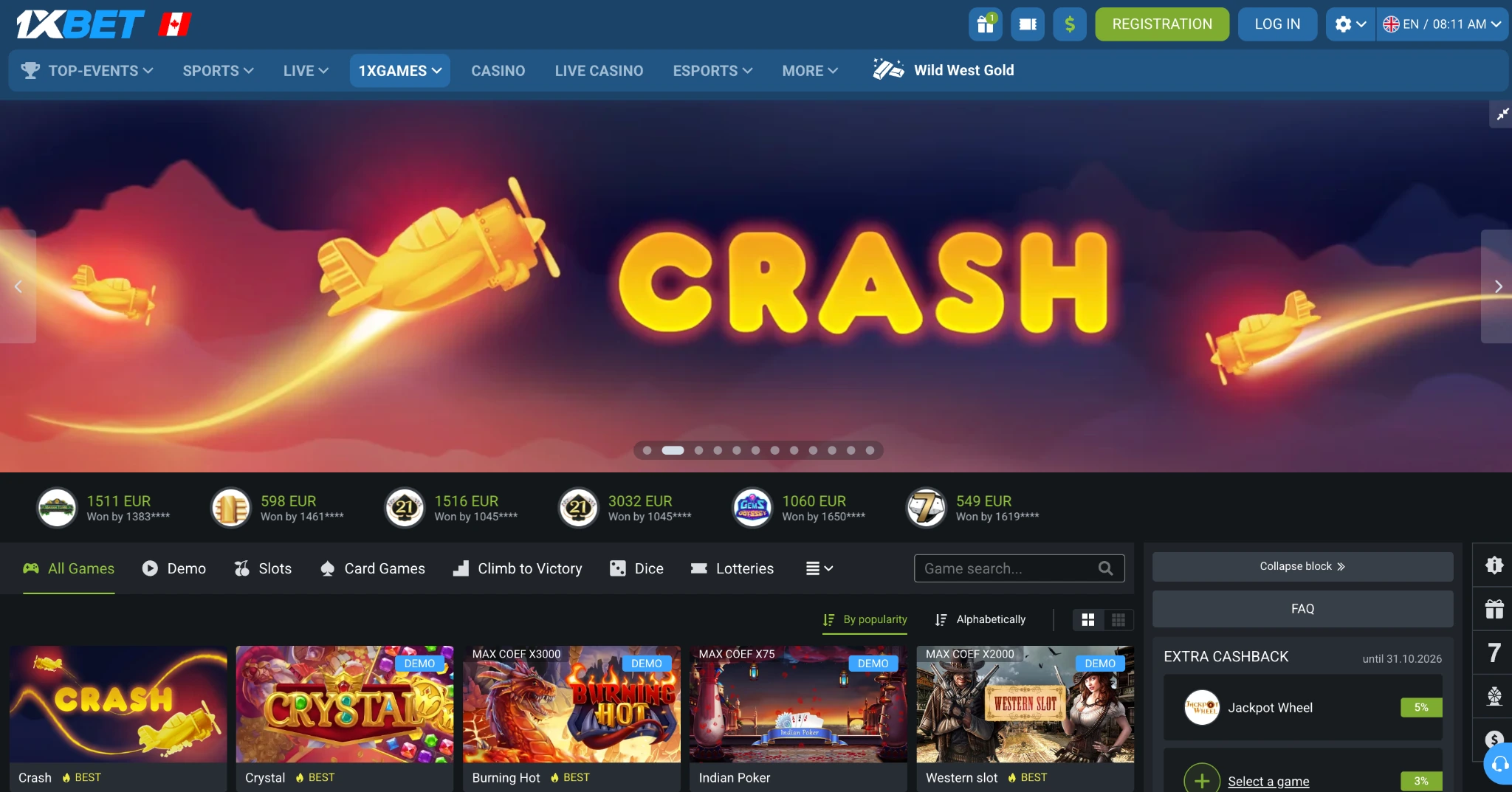
Use the catalogue label as one field in a comparison. The operator’s English catalogue includes 1xGames, and the regional game page describes a Plinko entry there. If a result instead leads to a page with a game identifier and a name such as Plinko-X, record that exact title before moving on. 1xBet publishes a page for that similarly named title on a separate regional site. The distinct names and addresses are reason enough to keep the notes separate unless the actual rules establish an exact match.
The games image is an archive of a catalogue where Crash is highlighted in a banner. Someone comparing different websites could easily crop the image to its navigation and present it as evidence for another game. Use the capture to recognise the arrangement of navigation and tiles, and use the official named listing as evidence for the Plinko title. A reader can then trace why a sentence refers to the 1xGames section rather than simply assuming that any ball-drop game on a similarly branded page is identical.
The 1xBet rules for one regional version
The operator’s Sudan-market description gives a specific example of the documented game. Keep the source market next to the title when comparing it with another version.
| Field | Published detail |
|---|---|
| Source market | Sudan |
| Board size | 8–16 rows |
| Risk choices | Low, regular and high |
| What to compare | The centre and edge values at the same row count and risk setting |
When reading two tables, begin with the configurations attached to them. If one is labelled regular risk and eight rows and the other is labelled regular risk and nine rows, the changed row count is part of the context for any difference. If you instead compare eight rows at two levels of risk, the number of rows is held steady and any difference can be read as a difference between those two tables. This works as a documentation check without assuming why a specific game implements its numbers the way it does.
It can be useful to record the full sequence of multipliers as written, including repeated values. If two neighbouring cells have the same multiplier, leave them as separate cells in your notes. They occupy different positions on the board even if they have the same settlement value. Keep a decimal point and any trailing zero when it helps identify the figure exactly. That makes it easier later to see whether a site gave a rounded description or you simply copied the wrong label from a small screen.
Reading a result from the round history
A compact recording can lose the first and last parts of a round. If it opens after the stake and settings have been chosen, you may see the ball fall and still be missing the context required to interpret what happened. If the clip ends with a brightly highlighted multiplier, it shows a landing label. A readable history entry or settlement line can supply the amount and units as well. Retain those details separately if you want to compare examples rather than just the animation.
Consider an illustrative result history that shows a 4 unit stake with a return of 6 units. The difference is a gain of 2 units. Compare that with an entry of 4 units staked and 2 returned, which is a loss of 2 units. Taking those results together gives a total return of 8 units from 8 staked. Averaging the largest label in a short set of clips would miss the loss side and say little about the frequency of each bin.
Match the timestamp and any round reference if the same session is visible in more than one place. A balance figure from before a deposit, bonus credit or second round can give a misleading comparison even if the example values are accurate. An individual history entry isolates the arithmetic more neatly. If the screen only shows a jackpot-style number without the stake, the round identifier or a result label, keep the description narrow, such as “the clip displays a large multiplier”.
How to interpret a 1xBet promotion card
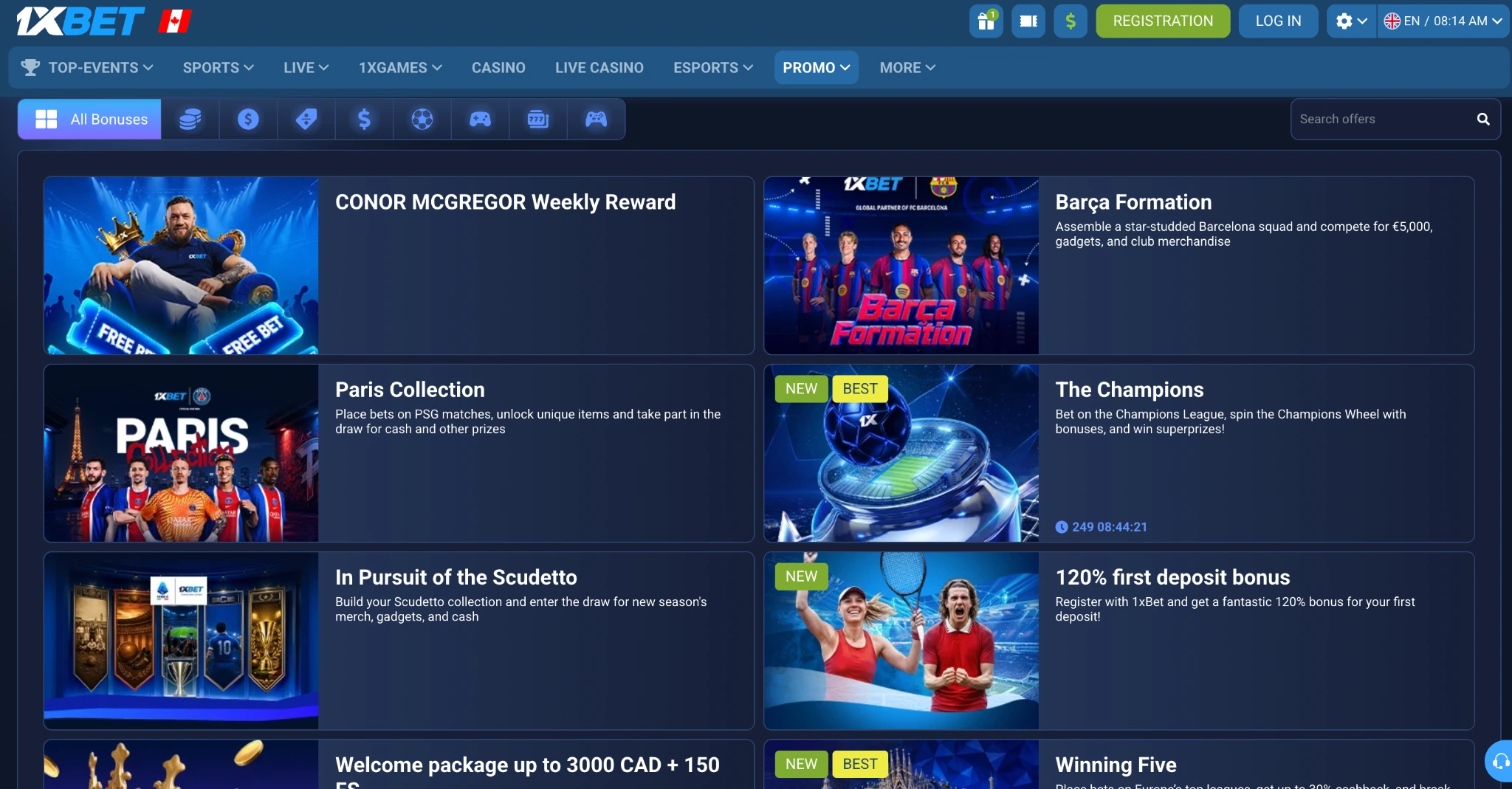
The archived promotions image groups cards with different subjects in a single view. A name or a picture on one of those cards tells you which promotion is being advertised in that capture. The title alone leaves open which games, accounts, locations or dates it covers. A Plinko listing in another section can be described independently of an archived promotional card. Keep those pages separate when collecting information for a review.
For illustration, imagine a general casino promotion and a game whose rules refer to a separate product family. Check the eligible-games list for the exact game or identifier. If the published text refers to selected games without naming them, record that as an unanswered condition. Terms may use a contribution percentage to represent how much of a stake counts towards a condition. In a made-up example, a four-unit round at 25% contribution would reduce the outstanding requirement by one unit. That calculation explains a term and does not describe an offer on this operator.
Read exclusions and conditions with the original market and timing attached. A quoted amount without the currency cannot tell you how an account will present it. A dated archive without the promotion rules cannot tell you whether it applies to the title today. Treat a promotion screenshot as an interface reference for finding categories or details, while taking the actual eligibility information from the applicable current terms.
Comparing the browser and mobile versions
A phone link and a desktop link may have different visual layouts even if they ultimately open the same game. Collect the information that lets you compare them. Look for the full title and product family, the provider if shown, and the names of settings in their help panels. Check the selected row count and the values across the board after both views have loaded. The largest individual value alone leaves out too much of the configuration to serve as a reliable match.
What to record
A useful starting record can fit on one line. Write down the regional host, the exact title, the selected mode, and the date and time you viewed it. Add a short note about what you could read directly, such as whether the table identified the row count. If a narrow screen hides part of the board, use the rules display to complete the record where the game makes that available. Keep an incomplete record as incomplete instead of filling missing cells from another website.
How to confirm a catalogue match
This way of comparing screens is particularly useful with a catalogue that includes multiple game groups. It gives you a concrete reason to match or distinguish entries without assuming the game is locally available. It also helps when one screen is just an informational listing. A named page supports a reference to the title. A readable game view with the correct version and settings gives a stronger basis for comparing the controls or settlement examples.
Common questions
Can several Plinko titles appear in one 1xBet lobby?
Yes, a catalogue can include an operator’s game alongside supplier titles. Read the developer name for the specific version.
Do demo and cash views settle the same type of balance?
A demo uses virtual play. A paid session can debit an account balance and is subject to the host’s terms.
Sources
- 1xBet public 1xGames catalogue · 1xbet.com/en/games
- 1xBet’s regional game description · sd.1xbet.com/en/games/plinko
- Department of Internal Affairs · Information for online casino customers

New Zealand SEO and copywriting consultant.